



Launching a successful kitchenware product takes more than a great idea. Whether you’re creating a new kitchen gadget, cookware accessory, or private-label product, turning a concept into a market-ready item requires careful planning, reliable manufacturing, and efficient supply chain management.
For brands, importers, wholesalers, and startups, understanding the product development process can help reduce risks, control costs, and bring products to market faster.
Here’s a step-by-step guide to transforming your kitchenware idea into a successful product.
1. Start with a Market-Driven Product Idea
The best kitchen products solve real problems.
Before investing in development, research market trends, customer reviews, and competing products. Look for gaps in the market where you can offer better functionality, improved durability, or a more attractive design.
Questions to ask:
- What problem does the product solve?
- Who is the target customer?
- What makes it different from existing products?
- Is there sufficient market demand?
A clear product concept lays the foundation for long-term success.
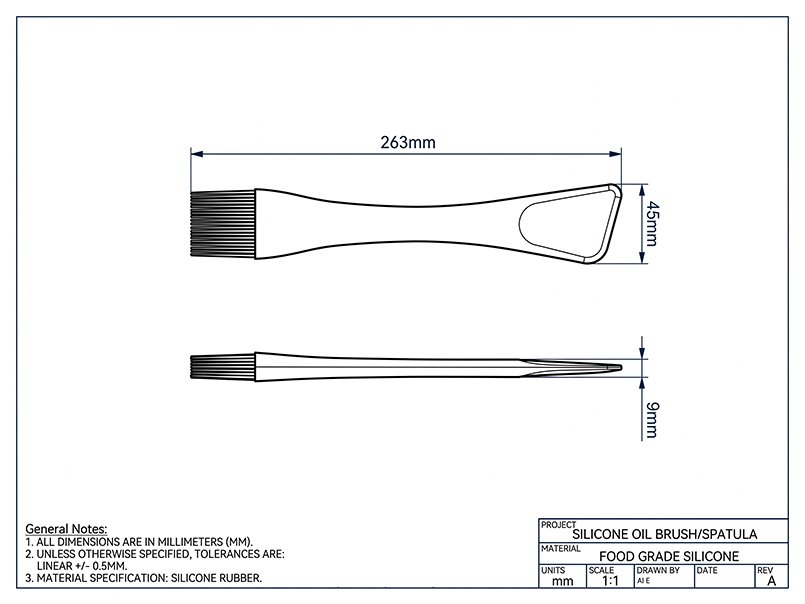
2. Create Detailed Product Designs and Specifications
Once your concept is defined, the next step is transforming it into a manufacturable product.
Develop:
- Technical drawings
- 3D CAD models
- Material specifications
- Product dimensions
- Surface finish requirements
- Packaging concepts
Detailed specifications help manufacturers accurately evaluate production feasibility, costs, and tooling requirements while reducing misunderstandings during development.
3. Verify Safety and Compliance Requirements
Kitchenware products often need to comply with food-contact and consumer safety regulations.
Depending on your target market, you may need to consider:
- FDA requirements for the U.S.
- LFGB standards for Germany
- EU food-contact regulations
- Packaging and labeling requirements
- Material safety testing
Addressing compliance requirements early helps avoid costly redesigns and shipment delays later.
4. Choose an Experienced Kitchenware Manufacturer
Selecting the right manufacturing partner is one of the most important decisions in the entire process.
An experienced kitchenware supplier can help you:
- Improve product functionality
- Optimize production costs
- Recommend suitable materials
- Enhance product durability
- Maintain consistent quality
Look for manufacturers with proven experience in OEM and ODM kitchenware production, strong quality control systems, and responsive communication.
5. Understand The Costs Before You Commit
To build a profitable product, you need a clear understanding of all costs involved.
These typically include:
- Product development costs
- Tooling or mold fees
- Unit manufacturing costs
- Custom packaging expenses
- Product testing costs
- Shipping and logistics fees
- Import customs clearance, duties, taxes, and listing fees
- Promotion channel costs and customer complaint handling expenses
Understanding your total landed cost allows you to set competitive pricing, plan your sales strategy more accurately, and protect your profit margins.
6. Use 3D Renderings for Product Evaluation and Marketing
Professional 3D renderings provide a realistic preview of your product before production begins.
They help you:
- Confirm colors and finishes
- Evaluate design details
- Present concepts to stakeholders
- Create marketing materials before launch
Many brands also use renderings for crowdfunding campaigns, social media promotions, and product listings while samples are still being developed.
7. Build Demand Before Production Starts
One of the biggest mistakes new brands make is waiting until inventory arrives before marketing their products.
Start building awareness early through:
- Social media campaigns
- Product teaser videos
- Email marketing
- Influencer outreach
- Kickstarter or crowdfunding platforms
Generating interest before launch can help validate demand and accelerate sales once products become available.
8. Approve Production Samples Carefully
Before mass production begins, review a pre-production sample thoroughly.
Check:
- Material quality
- Product dimensions
- Functionality
- Ergonomics
- Surface finish
- Packaging details
Any issues discovered at this stage can be corrected quickly and at a much lower cost than after full production starts.
9. Monitor Production and Prepare for Launch
Once production begins, maintain regular communication with your manufacturer.
Track:
- Production progress
- Quality inspections
- Packaging completion
- Delivery schedules
At the same time, finalize your marketing strategy, product listings, photography, and inventory planning to ensure a smooth launch.
10. Arrange Shipping and Deliver Products on Time
Timely delivery is critical to a successful launch.
Work closely with your freight forwarder and supplier to coordinate:
- Shipping schedules
- Customs documentation
- Import requirements
- Delivery timelines
Whether shipping by sea, air, or express courier, proactive logistics planning helps avoid delays and keeps your supply chain running smoothly.
Final Thoughts
Developing a successful kitchenware product requires the right combination of innovation, manufacturing expertise, quality control, and supply chain management.
By following these 10 steps, brands and importers can reduce risks, control costs, and bring high-quality products to market with confidence.
At YJ Soar, we help global brands and buyers develop and manufacture custom kitchenware products through comprehensive OEM and ODM solutions, product development support, quality inspection, and international logistics coordination.
Ready to bring your kitchenware idea to life? Contact our team today and let’s turn your concept into a market-ready product.