



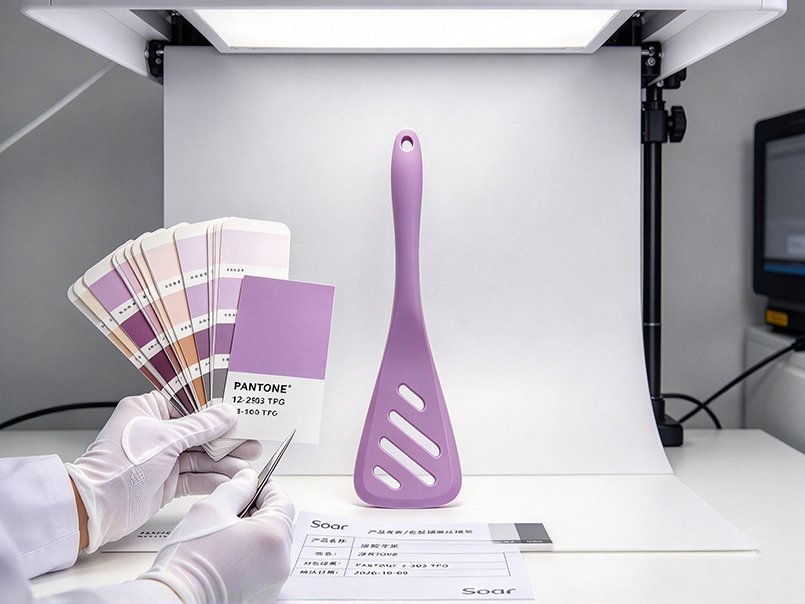
When sourcing customized kitchenware, homeware, or other products, color can be an important part of your brand identity. You may have a specific Pantone color, physical color card, existing product, or brand color that you want your supplier to match.
However, custom color matching is not always as simple as providing a Pantone number.
Several factors can affect the final color of a manufactured product, including material, surface finish, product thickness, color formulation, raw material batch, production process, color card version, and lighting conditions.
Understanding these factors before placing a production order helps you set realistic expectations, communicate your requirements clearly, and reduce unexpected color differences during mass production.
What Is Custom Color Matching?
Custom color matching is the process of producing a product in a specific color based on a buyer’s reference.
Depending on the project, your color reference may be:
- A Pantone color number
- A physical Pantone color card
- An existing product
- A physical color sample
- A brand color reference
- A digital image or design file
Among these options, a physical sample made from the intended production material is generally more useful for final approval.
This is because the same color reference may look different depending on the material, surface finish, thickness, and production conditions.
Therefore, Pantone color matching should be treated as a color reference rather than a guarantee of an identical visual result.
What Factors Can Affect Custom Product Colors?
Before approving a custom color, buyers should understand the main factors that can affect the final appearance.
1. Material
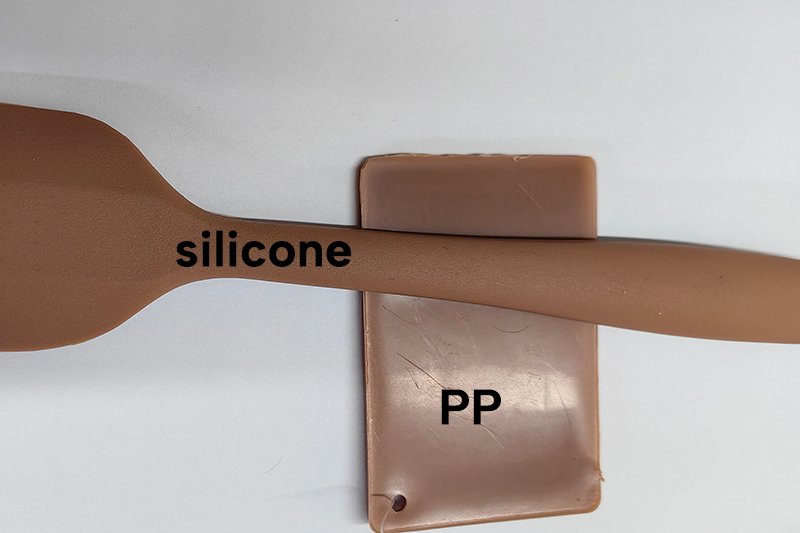
Different materials can produce different visual results even when the same color reference is used.
For example, a Pantone color applied to silicone, plastic, glass, or stainless steel may not appear the same. Material properties such as transparency, opacity, texture, and light reflection can influence the final appearance.
This is particularly important if you want to use the same brand color across products made from different materials.
Buyer tip: Request a color sample made from the same material as the final product whenever color consistency is important.
2. Surface Finish
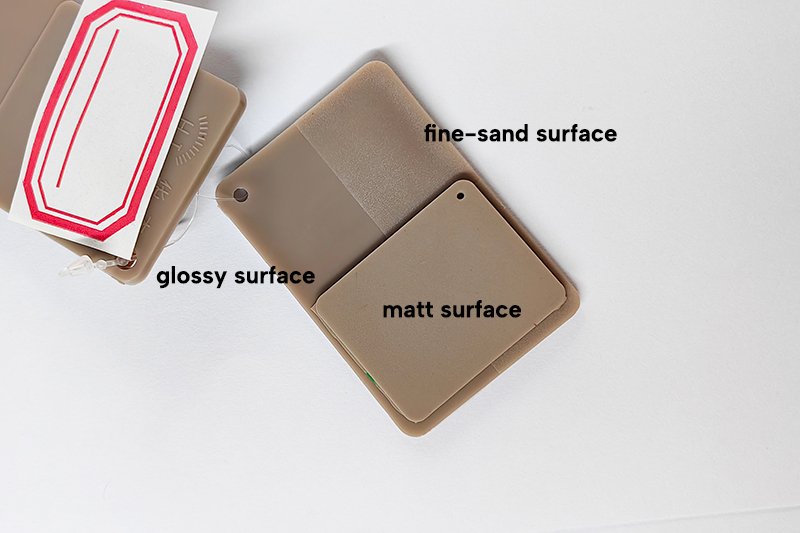
Surface finish can significantly change the way a color appears.
A glossy surface reflects more light, while a matte, fine-sand, or coarse-sand surface diffuses light differently. Consequently, the same color may look slightly brighter, darker, softer, or more muted depending on the surface treatment.
Therefore, when reviewing a sample, make sure its surface finish matches the final production product.
A color approved on a glossy sample, for example, should not automatically be considered identical on a matte-finished product.
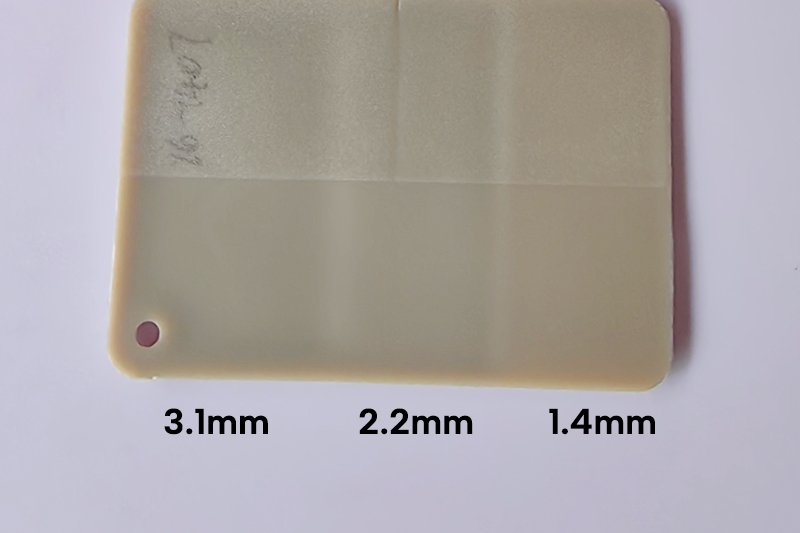
3. Product Thickness
Product thickness can also affect color perception, particularly when working with translucent or semi-transparent materials.
Thicker and thinner sections can transmit and reflect light differently, which may cause slight differences in appearance.
When comparing a prototype with the final product, therefore, make sure the sample has a thickness and structure that are reasonably close to the production item.
4. Color Formulation and Pigment Concentration
A Pantone number identifies a target color, but it does not directly represent a fixed production formula for every material.
During manufacturing, the color is created using specific pigments, colorants, or masterbatches. Small differences in pigment concentration, color formulation, or mixing can affect the final result.
The same target color may therefore require different formulations depending on the material and manufacturing process.
For buyers, this is another reason why approving an actual product sample is more reliable than relying on the Pantone number alone.
5. Raw Material Batch
Even when the same material and color formulation are used, different raw material batches can sometimes have slight variations.
Changes in the base material, transparency, or other material characteristics may influence the final color.
This can become more noticeable when placing repeat orders months or years after the original production.
Keeping an approved physical sample can therefore provide a useful reference when comparing future production batches.
6. Production Process
The manufacturing process can also influence the final color.
Different processes, such as injection molding, silicone molding, coating, or printing, may produce different visual effects even when the target color is the same.
In addition, production conditions such as temperature, processing time, and mixing conditions may affect the final appearance of some materials.
For this reason, a color sample should ideally be produced using a process that is representative of the actual mass production process.
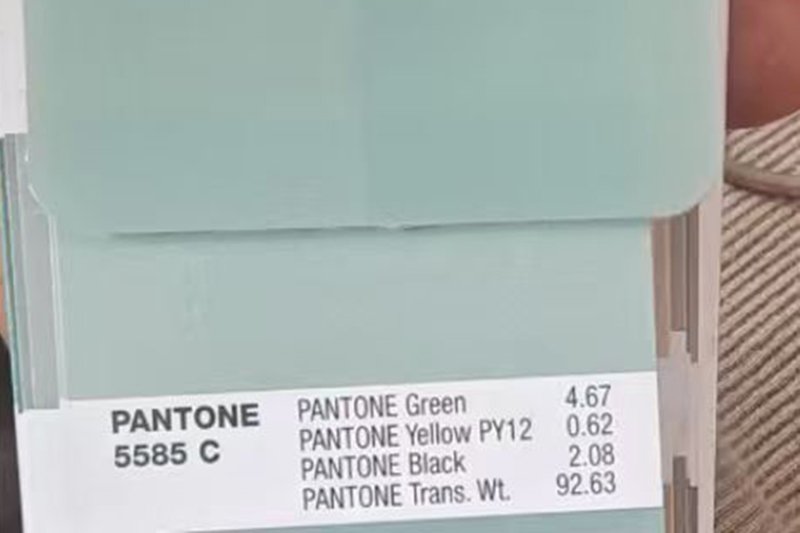
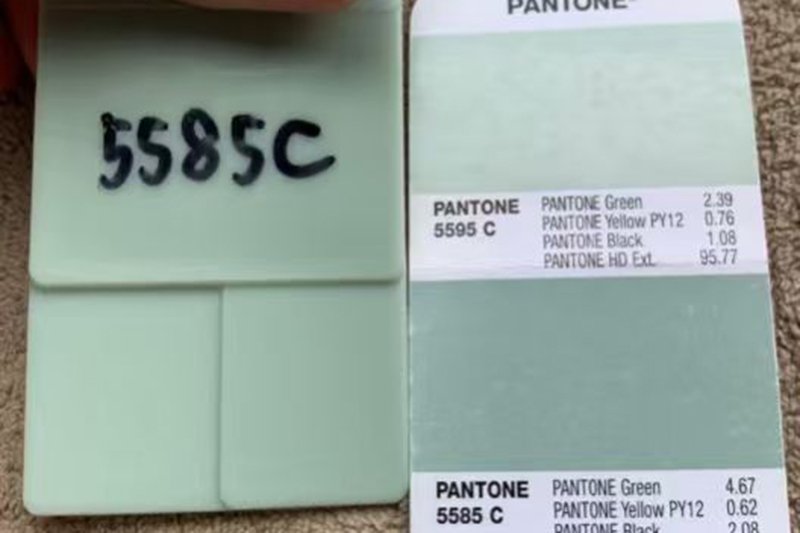
7. Pantone Color Card Version and Condition
Pantone color cards are widely used for communicating color requirements. However, different editions or production years of physical color cards may show slight variations.
The condition of the color card can also change over time because of light exposure, storage conditions, and aging.
Therefore, if a custom color is important to your product or brand, it is better to confirm the physical color reference rather than communicate only the Pantone number.
For repeat orders, keeping a record of the approved physical reference can also make future color confirmation easier.
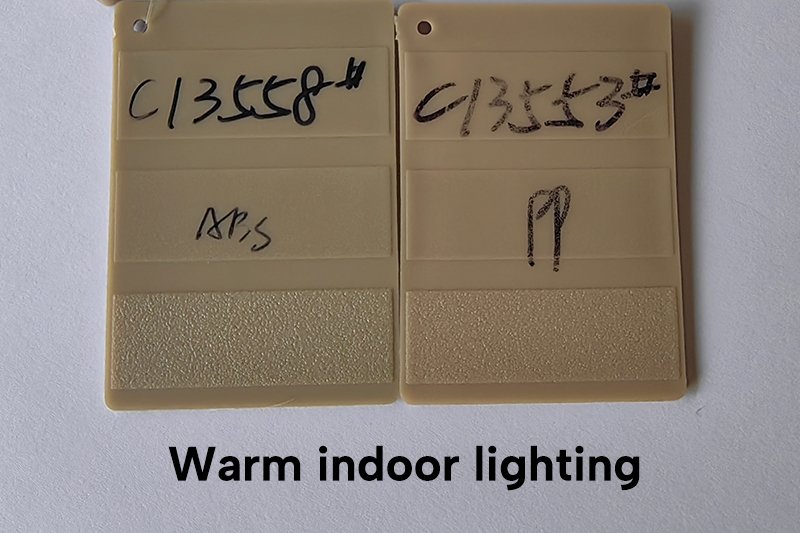
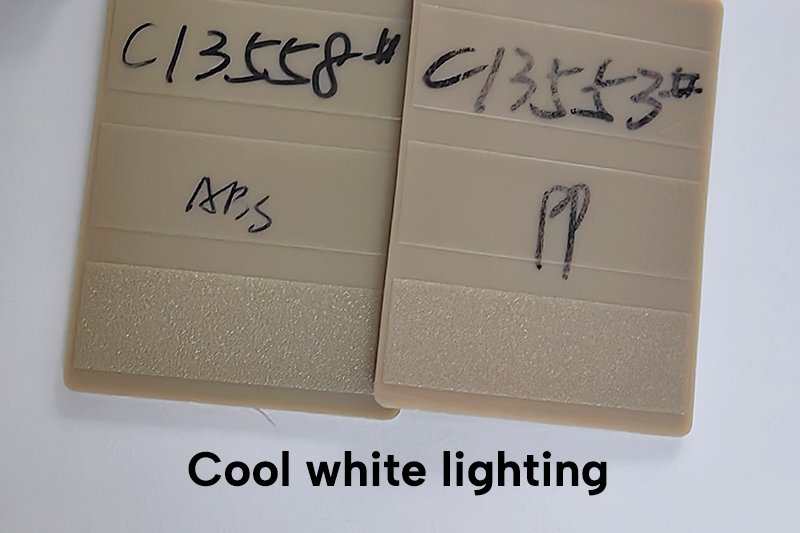
8. Lighting Conditions
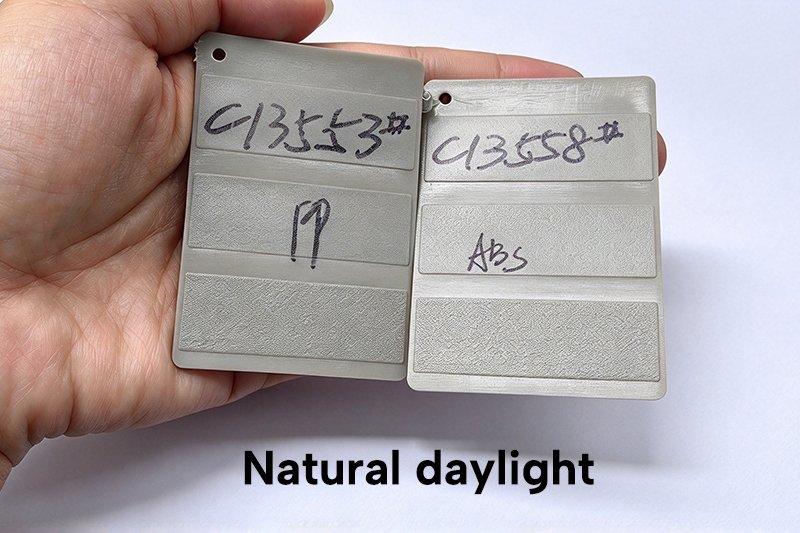
Finally, the lighting environment can significantly affect how you perceive a color.
The same product may look different under:
- Natural daylight
- Warm indoor lighting
- Cool white lighting
- Different LED light sources
The surrounding colors and environment can also influence visual perception.
Therefore, buyers should evaluate custom color samples under consistent lighting conditions whenever possible.
You should also be cautious when approving colors from photos, videos, or digital images. Camera settings, lighting, and screen displays can all affect the color shown on your device.
For this reason, a digital image should generally be treated as a reference rather than the final production color standard.
How Should Buyers Approve a Custom Color?
Because so many factors can affect color appearance, having a clear approval process is important.
A practical approach is:
Step 1: Provide a Clear Color Reference
Start with a Pantone number, physical color card, existing product, or other reliable reference.
If you have a specific brand color requirement, provide as much information as possible.
Step 2: Request a Production-Relevant Sample
Ask for a sample made with the intended:
- Material
- Surface finish
- Product thickness
- Product structure
- Manufacturing process
The closer the sample is to the final product, the more useful it will be for color approval.
Step 3: Check the Sample Under Consistent Lighting
Compare the sample with your reference under suitable and consistent lighting conditions.
If possible, avoid making the final decision based only on photographs or comparisons made under different lighting environments.
Step 4: Agree on an Acceptable Color Tolerance
It is also useful to discuss acceptable color variation with your supplier before mass production.
In practical manufacturing, the objective is usually to maintain consistent color within an agreed tolerance rather than expecting every individual item to look absolutely identical.
The acceptable range may depend on the product, material, color, and application.
For important brand colors, clarify the expected level of consistency before production begins.
Step 5: Approve and Retain a Physical Sample
Once you are satisfied with the color, clearly confirm which sample or color reference has been approved.
Keep your own reference sample whenever possible, and ask your supplier to retain a corresponding production reference.
Step 6: Use the Approved Reference for Mass Production
During production, the color should be checked against the approved retained sample and confirmed color reference.
This gives both buyer and supplier a clear standard for evaluating the production color.
Why Is a Retained Sample Important?
An approved physical sample is particularly valuable for repeat orders.
Even when the same Pantone number is specified again, factors such as raw material batches, production conditions, surface treatment, and color formulation can result in slight variations.
With a retained sample, you and your supplier have a practical reference for comparing new production with the previously approved color.
This can help reduce misunderstandings and make color consistency easier to manage over multiple orders.
Buyer Checklist for Custom Color Orders
Before approving a custom product color, check the following:
| Item | What Buyers Should Confirm |
|---|---|
| Color reference | Pantone number, physical color card, or approved sample |
| Material | Same material as the final product |
| Surface finish | Same finish as the final product |
| Product thickness | Representative of the final product |
| Color formulation | Appropriate for the material and production process |
| Raw material | Any significant batch differences considered |
| Production process | Sample made using a representative process |
| Color card | Correct physical reference and condition |
| Lighting | Consistent viewing conditions |
| Color tolerance | Acceptable variation agreed before production |
| Reference sample | Retained for mass production and repeat orders |
Final Takeaway
For buyers sourcing customized products, custom color matching is more than choosing a Pantone number.
The final appearance can be affected by material, surface finish, product thickness, color formulation, raw material batches, production processes, Pantone card differences, and lighting conditions.
The safest approach is to establish a clear color reference before production:
Provide a color reference → Review a production-relevant sample → Check the color under consistent conditions → Agree on acceptable color variation → Approve and retain the sample → Use the approved reference for mass production.
By taking these steps, buyers can reduce unexpected color differences, improve communication with suppliers, and achieve better color consistency across production batches and repeat orders.
For mass production, the approved retained sample and confirmed color reference should be used as the basis for color matching.