



In product sourcing and manufacturing, maintaining consistent quality is critical to long-term business success. While an approved sample may meet your expectations, mass-produced goods do not always achieve the same standard. Quality inconsistencies can lead to customer complaints, increased costs, delayed shipments, and damage to your brand reputation.
So, why do production results sometimes differ from expectations, and what steps can buyers take to minimize risks?
Why Mass Production Sometimes Falls Short of Expectations
Several factors can contribute to quality deviations during mass production:
1. Limited Manufacturing Capability
Not every factory has the technical expertise, equipment, or production capacity required to manufacture a product according to precise specifications. Even if a supplier accepts an order, they may struggle to consistently meet the desired quality standards.
2. Misunderstanding of Product Requirements
Communication gaps are one of the most common causes of production issues. If product specifications, quality requirements, or performance expectations are not clearly documented, the factory may interpret them differently than intended.
3. Design Challenges in Mass Production
A product that performs well as a prototype may not be suitable for large-scale manufacturing. Material selection, production tolerances, assembly methods, and tooling limitations can all affect the outcome.
4. Inconsistent Production Execution
Even when requirements are clearly defined, production teams may fail to consistently follow established standards. Without proper process control and supervision, quality variations can occur throughout production.
Best Practices to Ensure Consistent Production Quality
To reduce risks and improve production consistency, buyers should implement quality control measures throughout the entire product development and manufacturing process.
Evaluate Manufacturability During Product Development
Before moving into mass production, assess whether the product design is suitable for large-scale manufacturing. Consider factors such as:
- Material performance and appearance
- Product functionality
- Critical dimensions and tolerances
- Assembly requirements
- Potential production challenges
- Key quality control checkpoints
Identifying potential issues early can prevent costly modifications later.
Establish Clear Quality Standards
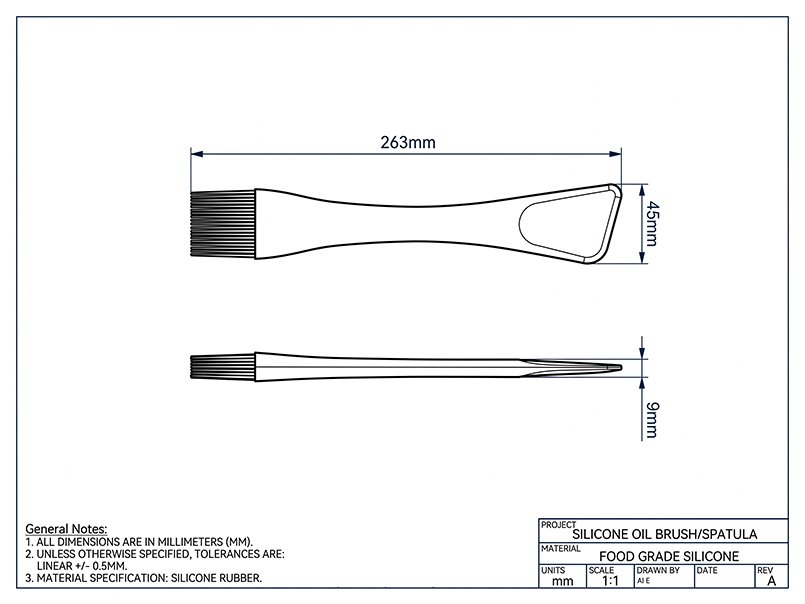
Detailed product specifications are essential for successful manufacturing. Create comprehensive documentation that includes:
- Product dimensions and tolerances
- Material requirements
- Surface finish standards
- Functional requirements
- Packaging specifications
- Acceptable quality levels
The more specific your requirements are, the easier it becomes for the factory to meet them consistently.
Select the Right Manufacturing Partner
Choosing a capable supplier is one of the most important decisions in the sourcing process. Before placing an order, evaluate the factory’s:
- Production capabilities
- Quality management systems
- Industry experience
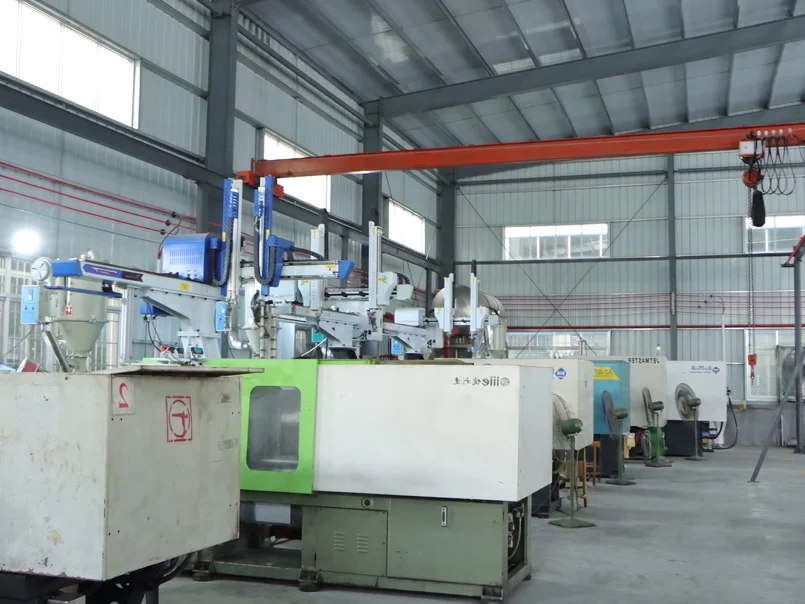
- Manufacturing equipment
- Previous project performance
A qualified supplier should have the resources and expertise necessary to meet your quality expectations.
Document All Agreements
Verbal discussions can easily be misunderstood or forgotten. Record all product specifications, quality requirements, packaging details, testing standards, and production agreements in writing.
Before confirming an order, review all documents carefully with the supplier to ensure both parties have the same understanding.
Use an Approved Sample as the Production Standard
The approved sample should serve as the reference standard for mass production. It represents the expected quality, appearance, functionality, and workmanship of the final product.
Manufacturers should compare production output against the approved sample throughout the manufacturing process to ensure consistency.
Monitor Production Progress
Regular production monitoring helps identify potential problems before they become major issues. Buyers can request production updates, photos, videos, or arrange factory inspections during manufacturing.
Early detection allows corrective actions to be implemented before large quantities are affected.
Conduct Pre-Shipment Quality Inspections
A final quality inspection is an essential step before shipment.
Two common inspection methods include:
Statistical Quality Control (SQC)
SQC uses random sampling to evaluate product quality. It is a cost-effective solution for large-volume, lower-value products.
100% Inspection
Every product is individually inspected before shipment. This method provides the highest level of quality assurance and is often recommended for high-value or high-risk products.
When selecting an inspection method, consider product value, defect risks, and whether the inspection process itself could potentially damage the product.
For kitchenware products, specialized inspection standards should be developed based on product functionality, safety requirements, appearance standards, and packaging specifications.
Continuously Improve Through Quality Data
Quality management should not end after shipment. Track inspection results, customer feedback, defect rates, and production performance over time.
Analyzing this data helps identify recurring issues, improve manufacturing processes, and strengthen supplier relationships, ultimately leading to better product quality and greater customer satisfaction.
Conclusion
Achieving consistent quality in mass production requires more than simply approving a sample. Success depends on effective product development, clear communication, supplier selection, documented standards, production monitoring, and thorough quality inspections.
By implementing these best practices, importers, brand owners, and retailers can significantly reduce production risks and ensure that finished products consistently meet their expectations, protecting both profitability and brand reputation.