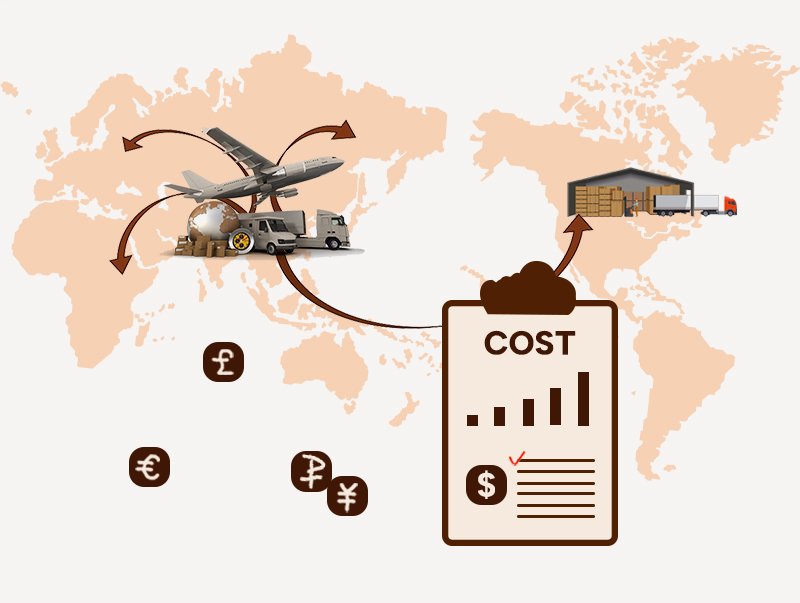




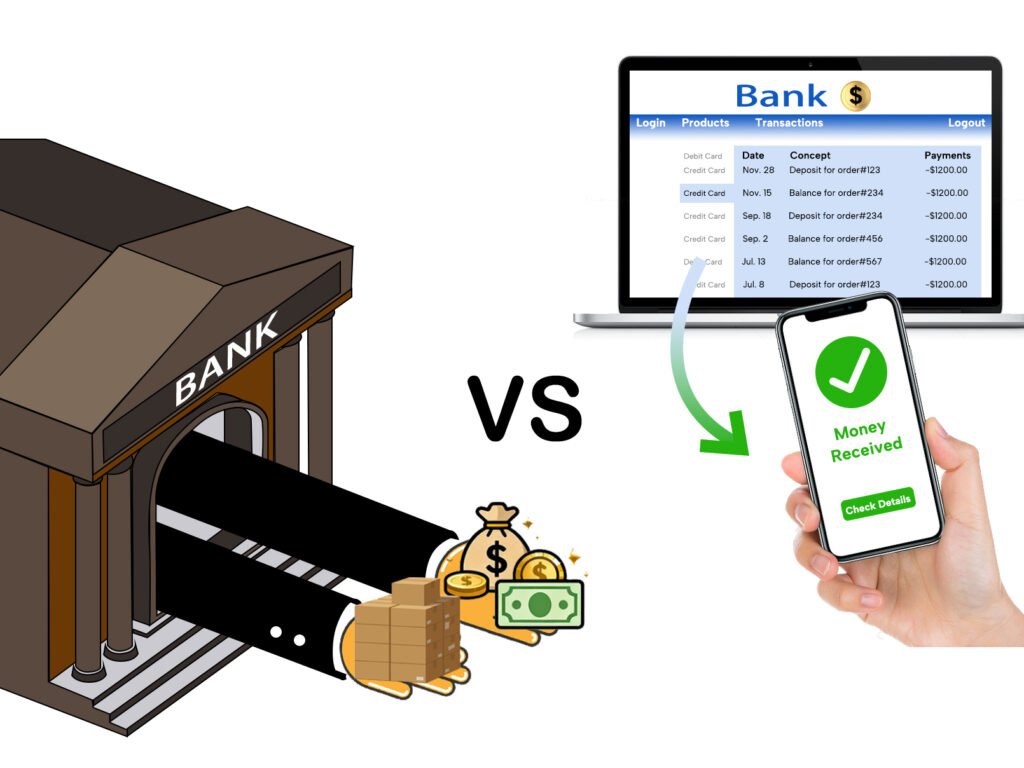
International trade presents unique challenges when it comes to securing funds and ensuring timely transactions. Among the many payment options available—such as PayPal, Western Union, and Open Account (O/A)—Telegraphic Transfer (T/T) and Letter of Credit (L/C) are two of the most widely used methods. These options have distinct features, advantages, and disadvantages, making them better suited for different trade scenarios.
Below is a comparison of T/T and L/C, highlighting the key processes, benefits, and drawbacks of each.
What Are L/C and T/T?
Letter of Credit (L/C)
An L/C is a financial guarantee issued by a bank at the request of the importer (buyer), assuring the exporter (seller) that they will receive payment, provided the terms of the L/C are met. The buyer’s bank acts as an intermediary, ensuring payment is made only once the seller fulfills all the conditions specified in the L/C, such as providing shipping documents.
Types of L/Cs:
- Sight L/C: Payment is made immediately upon presentation of documents.
- Usance (Deferred Payment) L/C: Payment is made after a specific period (e.g., 30, 60, or 90 days).
- Confirmed L/C: A second bank guarantees payment, reducing the risk for the seller.
- Negotiable L/C: Can be transferred to another party.
The most common types used in trade are Sight L/C and Usance L/C.
L/C Process:
- Contract Agreement: Both parties sign the contract outlining the payment terms.
- L/C Application: The buyer applies to their bank to issue the L/C.
- Bank Review & Issuance: The bank reviews the terms and issues the L/C to the seller.
- Document Submission: The seller submits the required shipping documents to the bank.
- Document Verification & Payment: The bank verifies the documents and releases payment to the seller.
- Goods Delivery: The buyer receives the goods once payment has been confirmed.
Potential Fees:
- L/C Opening Fee: 0.125% of the L/C amount (for up to 3 months).
- Amendment Fees: 0.125% for changes to the L/C amount, or a flat fee (around $40) for other amendments.
- Telex/SWIFT Charges: Around $15 per transmission.
Telegraphic Transfer (T/T)
T/T (or wire transfer) is a fast, electronic bank-to-bank transfer of funds. In this method, the buyer deposits funds with their bank, which sends payment instructions to the seller’s bank. T/T is often used for straightforward transactions due to its simplicity and speed.
T/T Process:
- Deposit Funds: The buyer deposits funds with their bank.
- Bank Verification: The remitting bank verifies the payment details.
- Fund Transfer: The funds are transmitted to the receiving bank, which then disburses them to the seller.
- Confirmation: The seller receives the payment once verified.
Potential Fees:
- T/T Fees: These may be shared between the buyer and seller, depending on the agreement.
- Transfer Time: Typically 1 to 3 business days, depending on bank processes.
Pros and Cons of L/C vs. T/T
Letter of Credit (L/C)
Pros:
- Security for Both Parties: Payment is guaranteed once the seller presents the required documents in accordance with the L/C terms, reducing the risk for both sides.
- Binding Terms: The seller is contractually obligated to fulfill the terms, ensuring quality and timeliness of the goods.
Cons:
- Inflexibility: Modifying the terms of an L/C can be complex and costly.
- Fraud Risks: The L/C only verifies documents, not the physical goods. There’s a risk of fraudulent documentation (e.g., goods not shipped as promised).
- High Costs: L/Cs can incur high fees, including opening, amendment, and confirmation charges.
- Limited Credit: The buyer’s bank credit lines are tied up, which may affect working capital.
- Single-Use: Typically, an L/C is issued for a single transaction, requiring a new L/C for each deal.
Telegraphic Transfer (T/T)
Pros:
- Speed: T/T is quick, often completing in 1-3 business days, making it ideal for time-sensitive transactions.
- Cost-Effective for Larger Amounts: T/T fees are relatively low, especially for larger transactions.
- Simple Process: The procedure is straightforward and requires minimal documentation—typically just bank details.
Cons:
- Risk for the Buyer: The buyer pays upfront, with no guarantees that the goods will be delivered as promised. This exposes them to higher risks.
Conclusion
Both L/C and T/T have their place in international trade, with each method offering distinct advantages depending on the nature of the transaction.
- L/C is ideal when both parties need security and clear terms. It’s typically used in high-value or high-risk transactions, where ensuring the quality and delivery of goods is critical.
- T/T is better suited for simpler, faster transactions where speed and cost are more important than the additional layers of security provided by an L/C. However, it comes with higher risks for both the buyer and seller if there is any trust issue or dispute.
Ultimately, the choice between these two methods depends on the specific needs of the parties involved, the size of the transaction, and the level of trust between the buyer and seller.