



China has been the world’s leading manufacturing center for decades, supplying products to businesses of every size—from startups launching their first product to global brands managing complex supply chains. Competitive pricing, mature manufacturing capabilities, and a complete industrial ecosystem make China an attractive sourcing destination.
While finding suppliers is easier than ever, finding a reliable one has become increasingly difficult.
Thousands of manufacturers and trading companies may offer similar products at vastly different prices. Some suppliers promise low costs but struggle with quality control. Others have excellent products but lack communication, export experience, or production capacity. Choosing the wrong supplier can result in delayed shipments, unexpected quality issues, rising costs, and even damage to your brand reputation.
A successful sourcing project is not about finding the cheapest supplier—it’s about finding the right manufacturing partner.
In this guide, we’ll walk you through the entire supplier evaluation process, from defining your sourcing requirements to building long-term partnerships that support your business growth.
Step 1: Know Exactly What You Need Before Contacting Suppliers
One of the biggest mistakes buyers make is requesting quotations before fully defining their product requirements.
When suppliers receive incomplete information, they often make different assumptions about materials, specifications, packaging, or production methods. As a result, quotations become difficult to compare, and misunderstandings often appear later during production.
Before contacting suppliers, prepare a detailed sourcing brief that includes:
- Product specifications (materials, dimensions, colors, finishes, and functions)
- Estimated order quantity and expected MOQ
- Target price range
- Packaging requirements
- Shipping terms (EXW, FOB, CIF, DDP, etc.)
- Required certifications or testing standards
- Expected delivery schedule
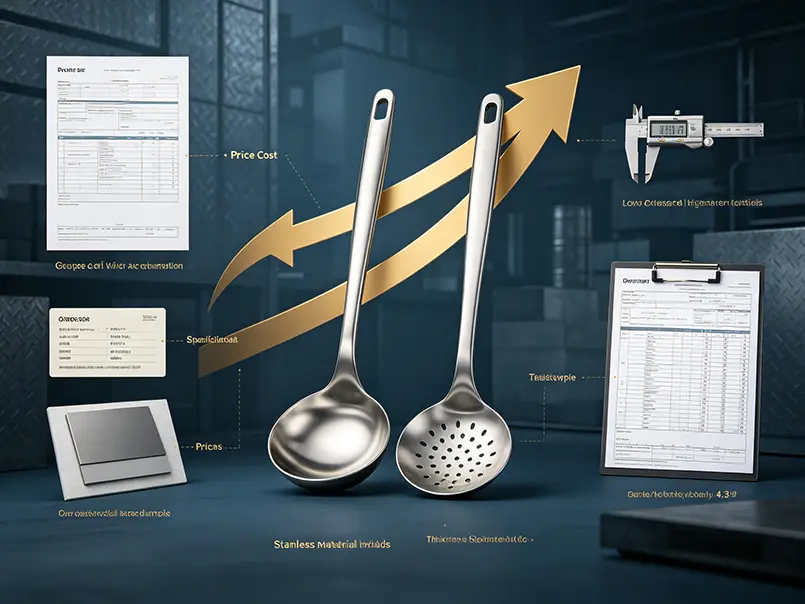
For example, if you’re sourcing a stainless steel kitchen utensil, simply stating the product name isn’t enough. Different stainless steel grades, handle materials, polishing finishes, thicknesses, and packaging options can significantly affect both manufacturing costs and product quality.
The more information you provide, the more accurate the supplier’s quotation and production proposal will be.
Define Your Ideal Supplier
Choosing the right supplier also means understanding what kind of partner your business needs.
Ask yourself:
- Do you need a factory or a trading company?
- Is your priority competitive pricing or consistent quality?
- Do you require OEM or ODM product development?
- Will this be a one-time purchase or a long-term cooperation?
- Is product innovation important for your business?
- Will you need assistance with packaging, compliance, or logistics?
Different suppliers have different strengths. Selecting one whose capabilities match your business goals will save both time and money.
Tip: The lowest quotation doesn’t always result in the lowest overall cost. Poor quality, production delays, or communication problems can quickly outweigh any initial savings.
Step 2: Search Beyond B2B Platforms
Many buyers begin their search on Alibaba, but experienced importers rarely rely on a single sourcing channel.
Using multiple sources allows you to compare suppliers more effectively and gain a more complete understanding of each company’s capabilities.
Search the Internet
Start by searching for the supplier’s official website.
A professional manufacturer’s website often provides valuable information, including:
- Company background
- Manufacturing capabilities
- Product categories
- Factory photos
- Certifications
- Quality control procedures
- Customer service capabilities
- Industry knowledge through blogs or case studies
An active LinkedIn profile or other social media presence may also indicate that the company regularly serves international customers.
Explore Online B2B Platforms
Popular sourcing platforms include:
- Alibaba
- Made-in-China
- Global Sources
Rather than focusing only on supplier badges, pay attention to their export experience, product specialization, factory information, customer reviews, and responsiveness.
Attend Trade Shows
Trade fairs remain one of the most effective ways to evaluate suppliers in person.
Events such as the Canton Fair, Global Sources Exhibitions, and industry-specific exhibitions allow buyers to compare products, discuss technical requirements, and assess suppliers face-to-face.
Consider Professional Sourcing Services
If you’re unfamiliar with Chinese manufacturing or don’t have local resources, a professional sourcing company can help identify suitable suppliers, negotiate pricing, conduct factory audits, and coordinate inspections.
Step 3: Verify Before You Trust
Receiving a quotation should never be the final step in supplier evaluation.
Before placing any order, verify that the supplier is a legitimate business with the capability to manufacture your products.
Request and review:
- Business license
- Export license
- Company registration details
- Bank account information
- Manufacturing or trading company status
If your products require certifications, ask for supporting documents such as FDA, LFGB, CE, RoHS, or REACH reports.
Professional manufacturers are generally willing to share this information because transparency helps build trust.
Step 4: Evaluate More Than Just the Product
Many buyers only evaluate product quality.
Experienced importers also evaluate the supplier.
Pay attention to questions such as:
- Do they respond promptly?
- Are answers clear and technically accurate?
- Do they offer practical recommendations?
- Can they identify potential risks before production begins?
- Are they proactive when problems arise?
Good communication is often a reflection of effective project management and internal organization.
Step 5: Visit the Factory or Arrange an Audit
Whenever possible, visit the factory before placing large orders.
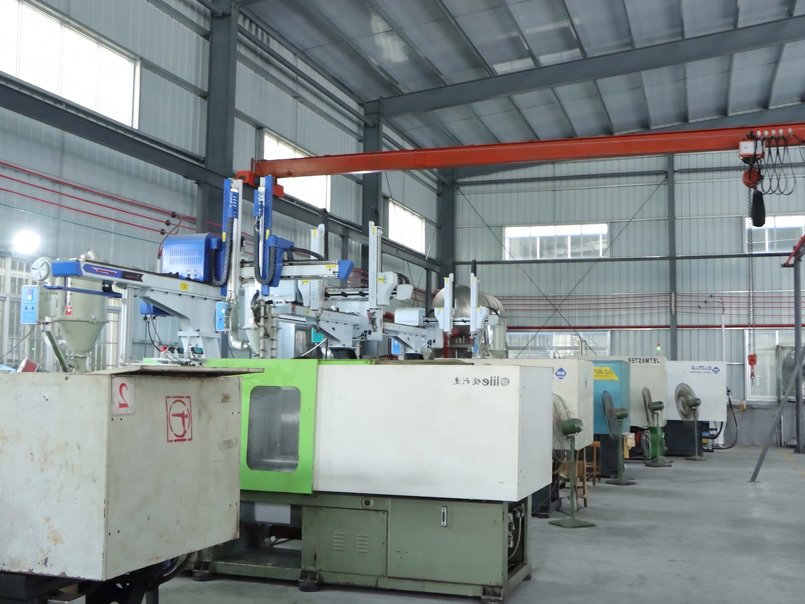
Walking through the production facility allows you to verify manufacturing capacity, production equipment, warehouse management, quality control systems, and working conditions.
If visiting isn’t practical, many manufacturers can arrange live video factory tours or cooperate with independent inspection companies such as SGS, Intertek, TÜV, or QIMA.
A factory audit provides confidence that the supplier can consistently deliver what they promise.
Step 6: Never Skip Sample Evaluation
Samples are more than product demonstrations—they’re a preview of your future cooperation.
Besides evaluating product quality, observe how the supplier manages the sampling process.
Ask yourself:
- Was the sample delivered on time?
- Did the supplier communicate progress regularly?
- Were revisions handled efficiently?
- Did they pay attention to details?
Suppliers who manage sample development professionally are often more reliable during mass production.
Step 7: Watch for Early Warning Signs
Most sourcing problems don’t appear overnight.
They usually begin with small warning signs that buyers overlook.
Be cautious if a supplier:
- Offers prices far below the market average
- Refuses to provide business documents
- Avoids factory visits or audits
- Cannot clearly explain production processes
- Responds inconsistently
- Focuses only on price while ignoring quality
- Requires full payment before production
If several of these issues appear together, it’s often worth continuing your supplier search.
Step 8: Protect Your Business with Clear Agreements
Once you’ve selected a supplier, document every important detail before production starts.
Your purchase agreement should clearly define:
- Product specifications
- Materials
- Packaging requirements
- Quality standards
- Inspection procedures
- Payment terms
- Delivery schedule
- Responsibilities if delays or quality issues occur
Many sourcing disputes can be prevented simply by ensuring both parties share the same expectations from the beginning.
Reliable Suppliers Build Long-Term Value
Successful importers don’t constantly change suppliers.
Instead, they invest in long-term manufacturing partnerships that improve efficiency over time.
As suppliers become more familiar with your products and quality standards, you’ll often benefit from:
- More consistent product quality
- Faster product development
- Better pricing through production planning
- Priority scheduling during busy seasons
- More efficient communication
- Continuous product improvement
A reliable supplier becomes an extension of your own business rather than just another vendor.
Final Thoughts
Choosing a supplier in China is about much more than comparing quotations.
The right manufacturing partner should understand your products, communicate openly, maintain consistent quality, and support your long-term business goals.
Taking time to verify suppliers, evaluate their capabilities, and establish clear expectations before production begins can significantly reduce sourcing risks and create a more stable supply chain.
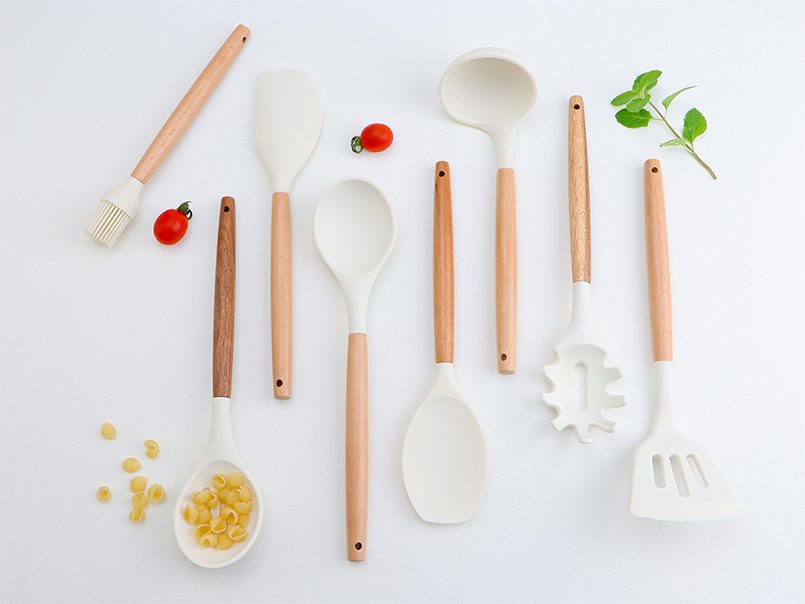
At Soar, we’ve spent years helping international brands source high-quality kitchenware with confidence. From product development and material selection to quality control, custom packaging, and worldwide shipping, we work closely with our customers to make sourcing simpler, more transparent, and more reliable.
If you’re evaluating suppliers for your next project—or simply want a second opinion on your sourcing plan—our team is always happy to help. Contact us today to discuss your requirements and discover how a dependable manufacturing partner can make your sourcing easier, safer, and more efficient.