



Effective packaging does more than enhance a product’s shelf appeal—it plays a critical role in protecting kitchenware during storage, transportation, and delivery. The right packaging can reduce damage rates, improve customer experience, strengthen brand recognition, and even lower logistics costs.
With a wide range of packaging options available for kitchenware products, selecting the most suitable solution can be challenging. In this guide, we’ll explore the key factors buyers should consider and compare common packaging methods to help you choose the best packaging for your kitchenware products.
Key Factors to Consider When Choosing Kitchenware Packaging
Selecting the right packaging method for kitchenware products requires careful evaluation of multiple factors. Each decision directly impacts product safety, shipping efficiency, cost control, and brand perception.
1. Product Characteristics
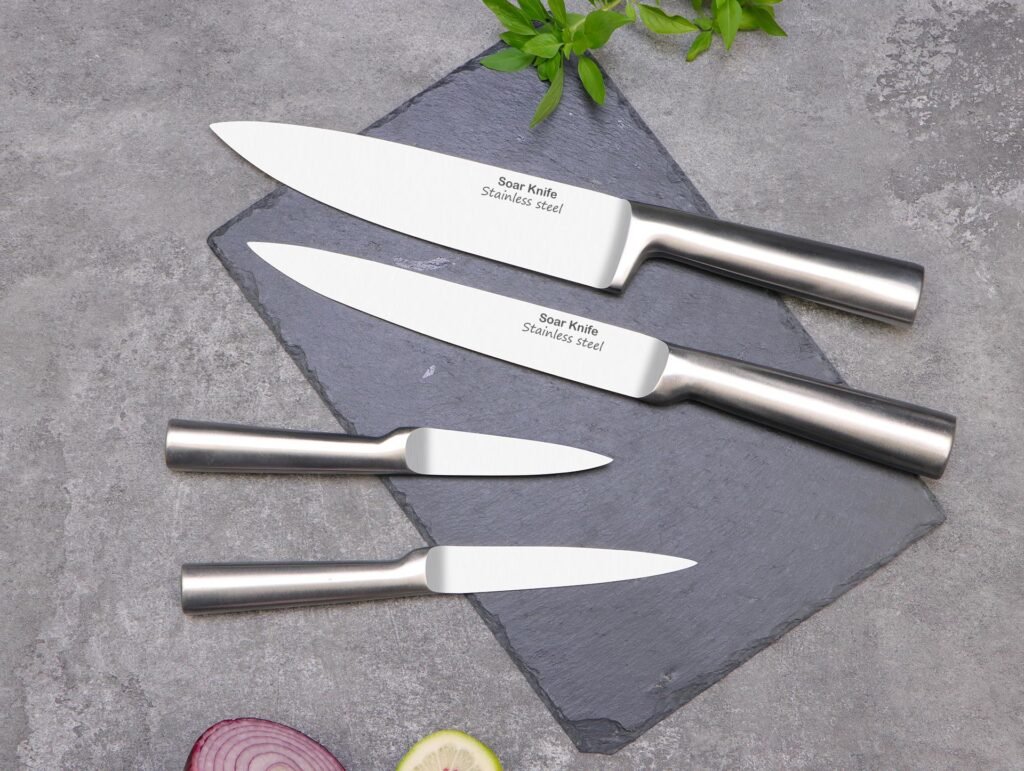
The nature of the product should always be the primary consideration. Kitchenware items with sharp edges, fragile parts, or delicate finishes require secure protection to prevent damage during handling and transportation. The overall structure and surface treatment of the product should also be assessed to determine suitable cushioning and packaging strength.
2. Product Shape
The shape of the kitchenware significantly influences packaging design. Irregular or uniquely shaped products often require customized packaging solutions to ensure stability during shipping, minimize movement inside the box, and reduce the risk of breakage or deformation during transit and retail display.
3. Packaging Cost
Cost is a critical factor in packaging selection. Buyers should evaluate packaging expenses as a percentage of total product cost and consider how packaging choices may affect final selling price and overall profit margins. A balance between protection, aesthetics, and cost efficiency is essential.
4. Sales Channel Requirements
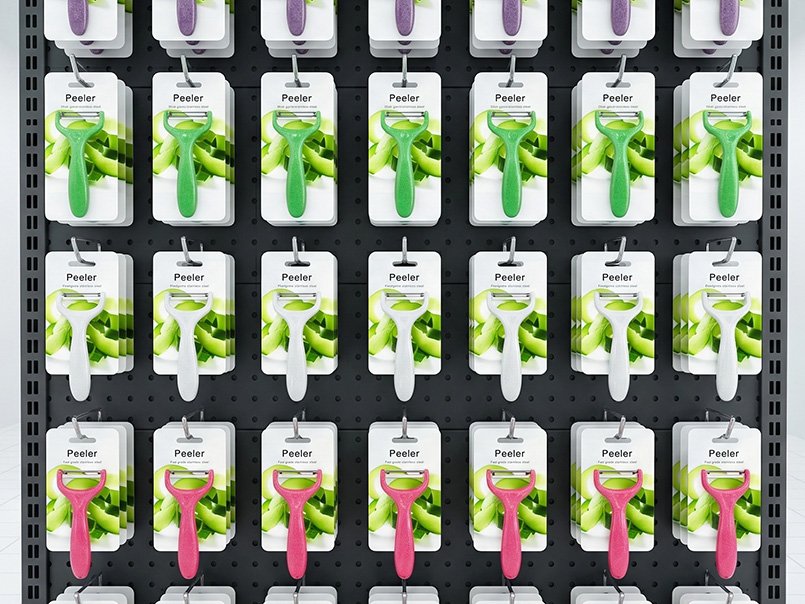
Different sales channels require different packaging strategies. For e-commerce and cross-border online sales, packaging must be durable enough to withstand long-distance transportation and multiple handling processes. In contrast, offline retail packaging often focuses more on visual appeal to attract consumers at the point of sale.
5. Brand Image and Positioning
Packaging plays a vital role in brand communication. It is not only a protective layer but also a brand carrier. Effective kitchenware packaging reflects brand identity through color schemes, typography, logo placement, material selection, and overall unboxing experience. Well-designed packaging can communicate brand values such as quality, sustainability, or premium positioning.
Common Types of Kitchenware Packaging
There are various packaging solutions widely used in the kitchenware industry, depending on product type and market requirements. Common options include:
- Stickers and labels
- Printed poly bags
- Header cards and hang tags
- Back cards
- Color boxes
- PVC boxes
- Single-sided or double-sided blister packaging
- Display boxes
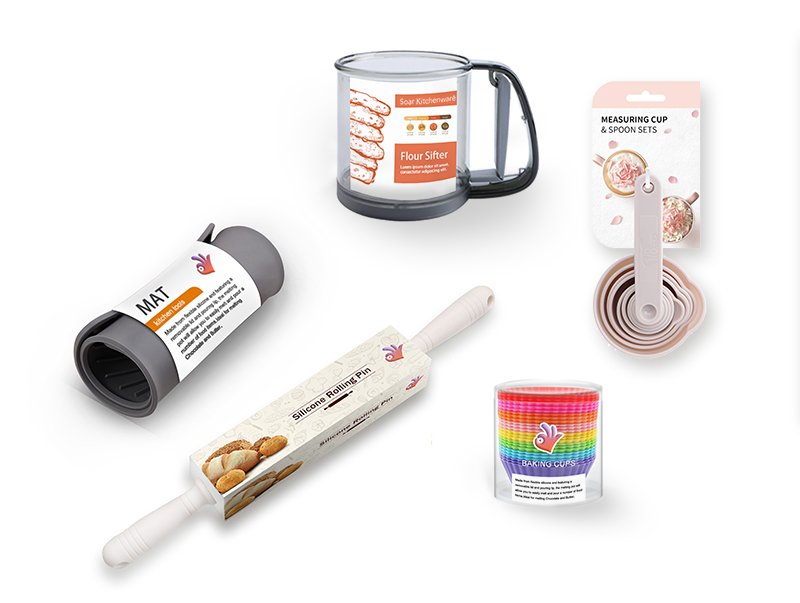
Each packaging type serves different purposes, from cost-effective protection to retail-ready presentation and branding enhancement.
Importance of Packaging Design
In today’s competitive market, packaging design plays a decisive role in attracting customers and influencing purchasing decisions. A well-designed package not only protects the product but also enhances perceived value and customer satisfaction.
An effective packaging design typically includes:
- High-quality visuals and clear product information
- A prominent and recognizable brand logo
- Easy-to-open and user-friendly structure
- Emotional appeal (e.g., premium, eco-friendly, minimalistic)
- Functional or reusable design when applicable
Strong packaging design helps products stand out on both online platforms and physical retail shelves, ultimately improving brand competitiveness.
Conclusion
Choosing the right kitchenware packaging requires a balanced consideration of product protection, cost efficiency, sales channels, and brand positioning. By selecting the appropriate materials and design, businesses can enhance product safety while strengthening brand recognition in the global market.