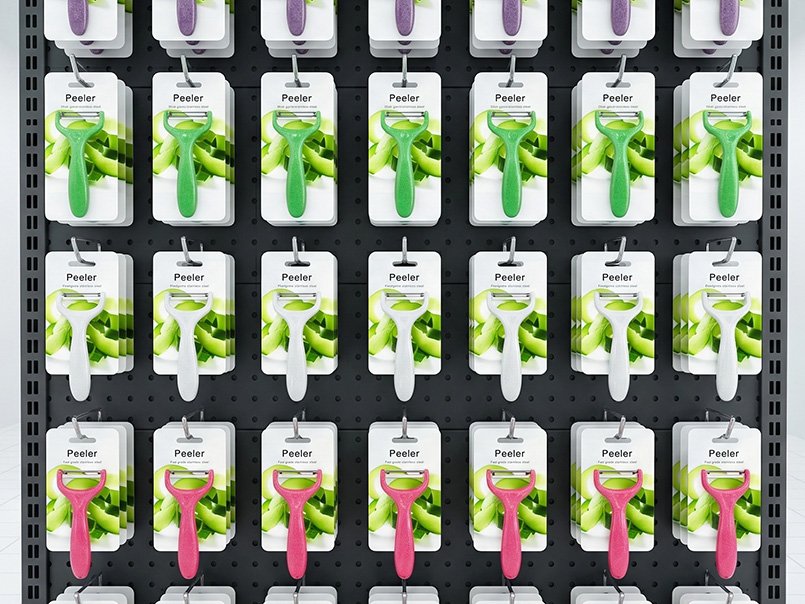




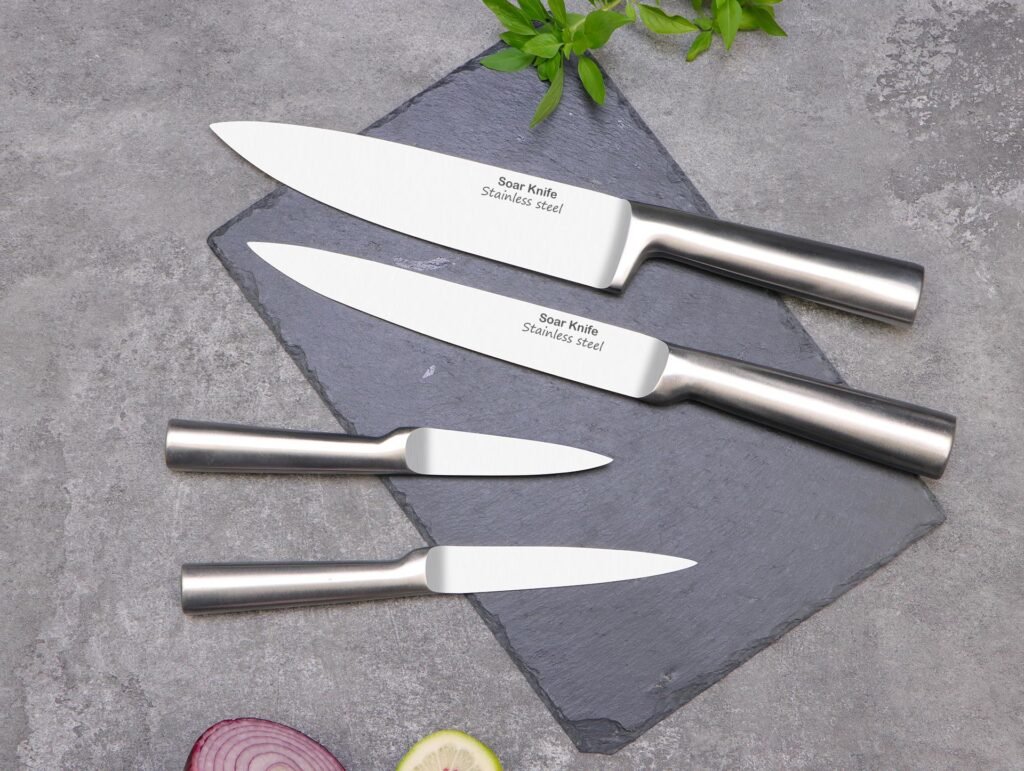
Branding is an essential part of product development. Adding your logo to a product not only increases brand recognition but also enhances perceived quality and professionalism. Selecting the right logo application method depends on factors such as material, design complexity, durability requirements, and budget.
In this guide, we introduce eight common logo branding techniques, along with their advantages, limitations, and ideal applications.
1. Screen Printing
Screen printing is one of the most widely used methods for applying logos to products. The process uses a mesh screen as a stencil to transfer ink onto the product surface.
Advantages
- Cost-effective for large production runs
- Fast production speed
- Suitable for plastic, metal, silicone, and wood materials
- Ideal for simple logos and text
Limitations
- Best suited for one- or two-color designs
- Not ideal for highly detailed graphics or gradients
- Printing quality may be affected on curved surfaces
- Requires screen setup costs, making it less economical for small orders
- Improper cleaning or heavy wear may cause fading over time
2. Heat Transfer Printing
Heat transfer printing uses heat and pressure to transfer a printed design from a special film onto the product surface.
Advantages
- Supports full-color and multi-color graphics
- High production efficiency
- Suitable for fine details and complex artwork
- Compatible with plastic, metal, ceramic, leather, and other materials
- Good color durability under normal use
Limitations
- Requires tooling and setup costs
- Less suitable for products with highly complex or uneven surfaces
- Long-term wear or improper washing may affect logo durability
3. UV Printing
UV printing utilizes specialized inks that are instantly cured using ultraviolet light.
Advantages
- Excellent for complex logos, gradients, and full-color designs
- High-resolution printing quality
- Scratch-resistant, waterproof, and fade-resistant
- Suitable for short-run and customized production
Limitations
- Higher production costs compared to traditional printing methods
4. Laser Engraving
Laser engraving uses a focused laser beam to permanently mark the product surface by removing or altering the material.
Advantages
- Permanent and highly durable branding solution
- Clean, precise, and professional appearance
- No ink or consumables required
- Suitable for both small and large production runs
- No tooling costs
Limitations
- Limited to the natural color contrast of the material
- Not suitable for colorful logo designs
5. Metal Stamping
Metal stamping creates a logo by pressing a custom die into the metal surface.
Advantages
- Durable and wear-resistant
- Creates a premium embossed or debossed appearance
- Efficient for mass production
Limitations
- Suitable only for metal products
- Requires tooling investment
6. Electrochemical Etching
Electrochemical etching uses controlled electrical reactions to create permanent markings on metal surfaces.
Advantages
- Clear and precise logo appearance
- Cost-effective for metal products
- Permanent marking solution
Limitations
- Applicable only to conductive metals and metal alloys
7. Branding (Burning)
Branding uses a heated metal die to burn a logo into the material surface, most commonly wood.
Advantages
- Low production cost
- Creates a natural and rustic appearance
- Permanent marking
Limitations
- Suitable only for wood and certain natural materials
- Color consistency may vary
- Limited design flexibility
8. Mold-Integrated Logos
This method incorporates the logo directly into the product mold, allowing the logo to be formed during manufacturing.
Advantages
- Premium appearance with embossed or debossed effects
- Permanent and highly durable
- No additional printing process required during production
- Ideal for new product development
Limitations
- Requires mold customization
- Higher initial tooling investment
- Logo design cannot be easily changed after mold production
How to Choose the Right Logo Application Method
Selecting the most suitable branding technique depends on your product material, logo design, budget, and brand positioning.
| Method | Suitable Materials | Best For |
|---|---|---|
| Screen Printing | Plastic, Metal, Silicone, Wood | Cost-sensitive projects with simple one- or two-color logos |
| Heat Transfer Printing | Plastic, Metal, Silicone, Wood | Multi-color graphics and moderately irregular surfaces |
| UV Printing | Plastic, Metal, Silicone, Wood | High-quality full-color logos and complex artwork |
| Laser Engraving | Plastic, Metal, Silicone, Wood | Permanent logos without color requirements |
| Metal Stamping | Metal | Premium embossed logos on existing metal products |
| Electrochemical Etching | Conductive Metals & Alloys | Durable metal markings at a competitive cost |
| Branding (Burning) | Wood | Natural-looking dark logos on wooden products |
| Mold-Integrated Logos | Plastic, Metal, Silicone | Premium long-term branding for new product development |
Final Thoughts
The right logo application method can significantly enhance your product’s appearance and strengthen your brand identity. While screen printing, heat transfer and laser engraving remain popular for cost-effective branding, premium options such as UV printing and mold-integrated logos offer superior durability and visual impact.
In addition to the methods discussed above, other techniques such as water transfer printing, pad printing, and decals may also be suitable depending on your product design and market positioning.
When selecting a logo branding solution, consider your product material, order quantity, budget, durability requirements, and target market to achieve the best balance between cost and brand presentation.
Need help choosing the best logo application method for your product? Contact our team for professional advice on product development, custom branding, and manufacturing solutions tailored to your project requirements.