



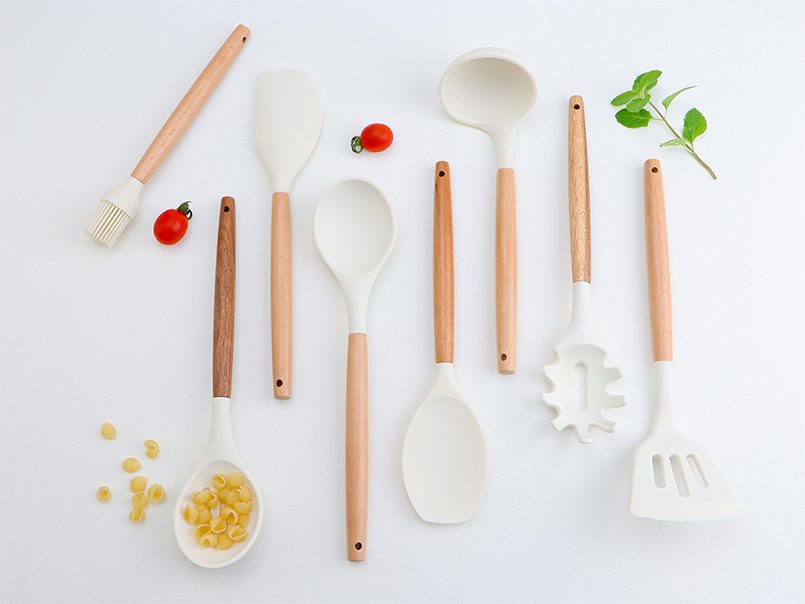
When sourcing silicone kitchen utensils with a nylon core and wooden handle, buyers often encounter products that appear nearly identical but vary significantly in price.
The reason is simple: product quality is determined by much more than appearance. Material selection, structural design, manufacturing processes, and quality control standards all contribute to the final cost and performance of a kitchen utensil.
Understanding these factors can help importers, wholesalers, retailers, and private-label brands make better sourcing decisions.
1. Product Dimensions and Thickness
The size and thickness of a utensil directly affect material consumption and durability.
Utensil Head Width
A wider utensil head generally requires more silicone and reinforcement material. Some lower-cost products reduce the width of the working surface to minimize material usage.


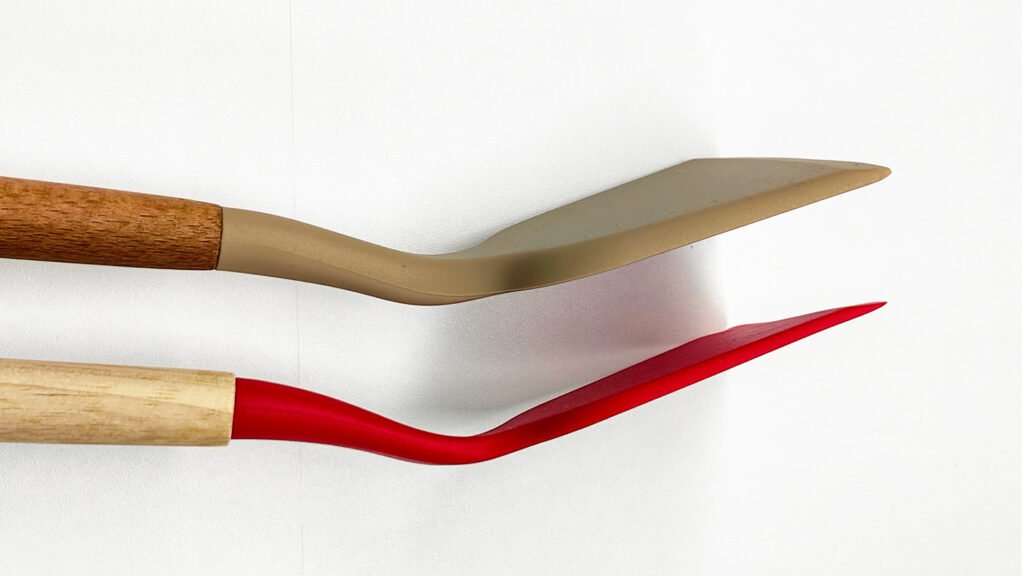
Silicone Thickness
The thickness of the silicone head also impacts cost. Thicker silicone typically offers better durability, flexibility, and heat resistance, while thinner silicone may reduce production costs but can affect product lifespan.
2. Material Selection
Material quality is one of the most important factors influencing product price.
Wooden Handle Materials
Different wood species have different costs and performance characteristics. Premium hardwoods such as beech wood are valued for their durability, appearance, and stability. Lower-cost alternatives may offer a similar appearance but differ in strength and long-term performance.
Food-Grade Silicone
High-quality food-grade silicone provides excellent heat resistance, flexibility, and safety for food contact applications. Premium silicone materials generally cost more than lower-grade alternatives or silicone blends containing fillers.
Food-Safe Surface Treatment
Wooden handles often require protective oil or coating treatments. Food-safe finishes help protect the wood while ensuring compliance with food-contact safety standards.
Nylon Core Materials
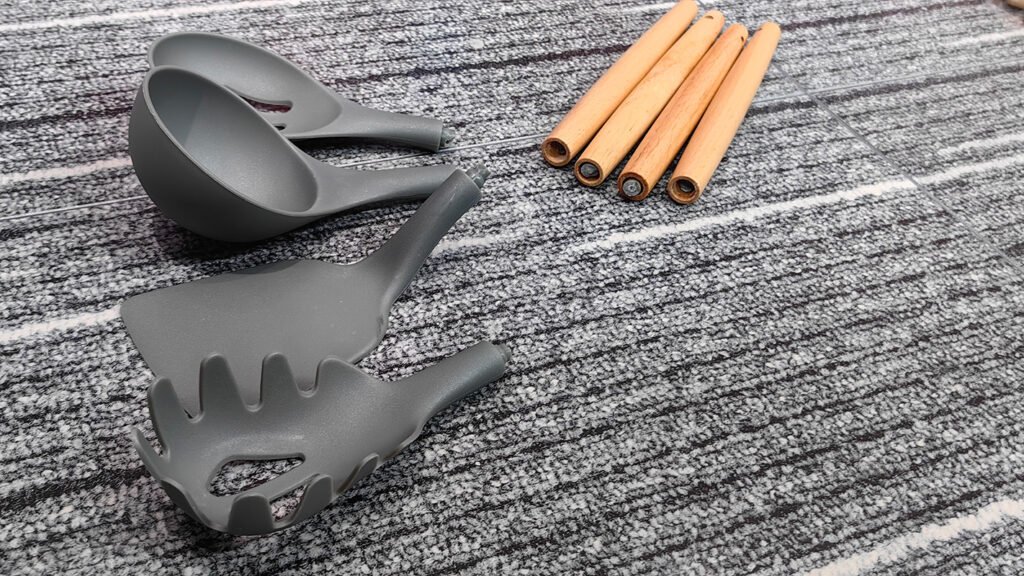
The internal nylon core plays a critical role in structural strength. Different nylon grades, such as Nylon 6 and Nylon 66, offer varying levels of heat resistance, durability, and mechanical performance.
Glass Fiber Reinforcement
Some nylon cores are reinforced with glass fiber to improve rigidity and strength. Different reinforcement ratios can significantly influence both performance and manufacturing cost.
Nylon Core Color Matching
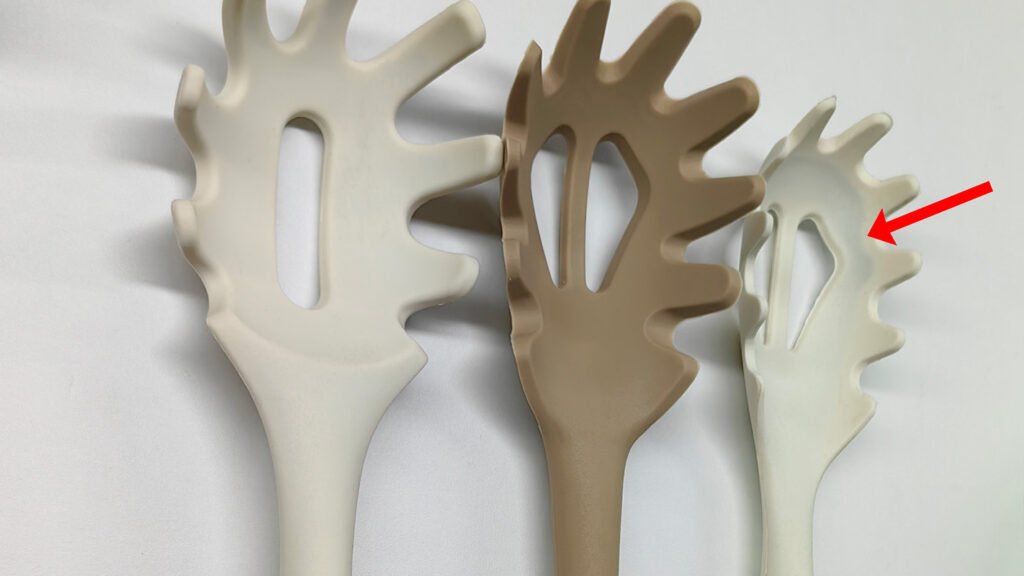
The color of the nylon core should be carefully matched to the outer silicone color. Silicone is not completely opaque, especially in lighter shades such as cream, pastel, or translucent colors. If manufacturers use a standard nylon core color without adjusting it to match the silicone, the core may become visible through the silicone layer. This can create dark spots, uneven color tones, or shadowing effects that significantly reduce the product’s visual appeal. Proper color matching requires additional material management and production planning, but it helps ensure a premium appearance.
Adhesive Quality
The adhesive used to bond components together affects product durability and reliability. High-quality adhesives help maintain structural integrity throughout the product’s service life.
3. Internal Product Structure
The internal construction of a utensil can greatly affect both quality and manufacturing cost.
Reinforcement Design
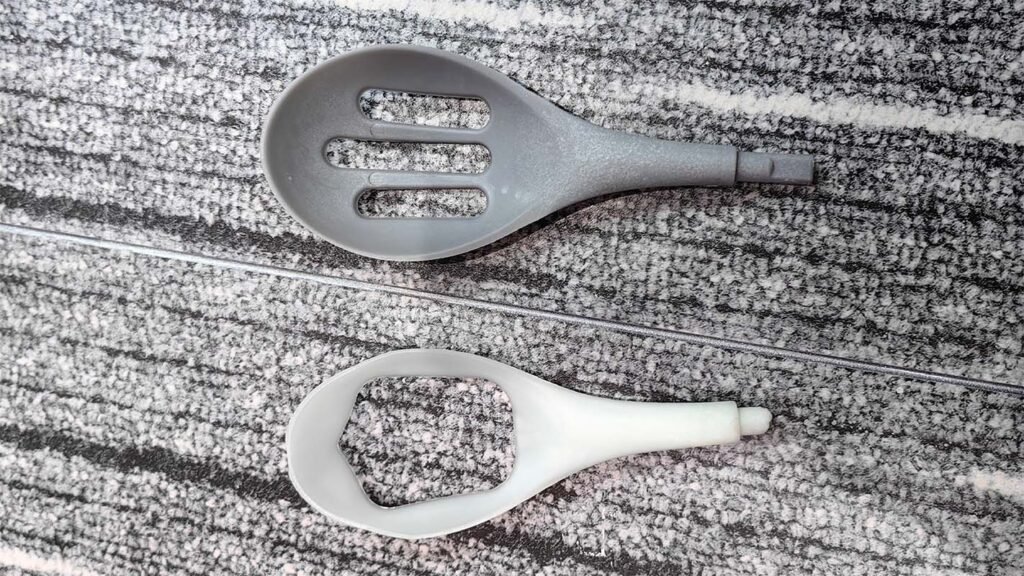
For slotted or perforated utensils, reinforcement can be designed in different ways. A well-engineered nylon core provides better strength and stability while maintaining product functionality.
Connection Structure
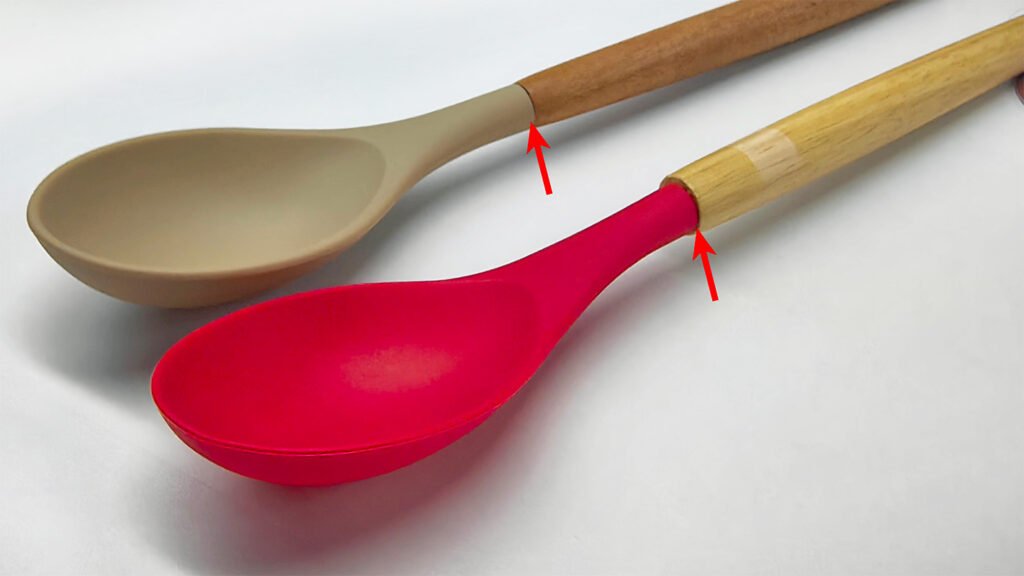
The connection between the silicone head, nylon core, and wooden handle must be carefully designed to ensure long-term durability. More robust connection methods often require additional manufacturing steps and higher-quality components.
Component Compatibility
Proper dimensional matching between the utensil head and wooden handle is essential for product stability, appearance, and user experience.
Balance Between Silicone and Core Thickness
The ratio between silicone thickness and nylon core thickness affects flexibility, strength, and overall product performance. Achieving the right balance requires thoughtful engineering and product development.
4. Manufacturing Process
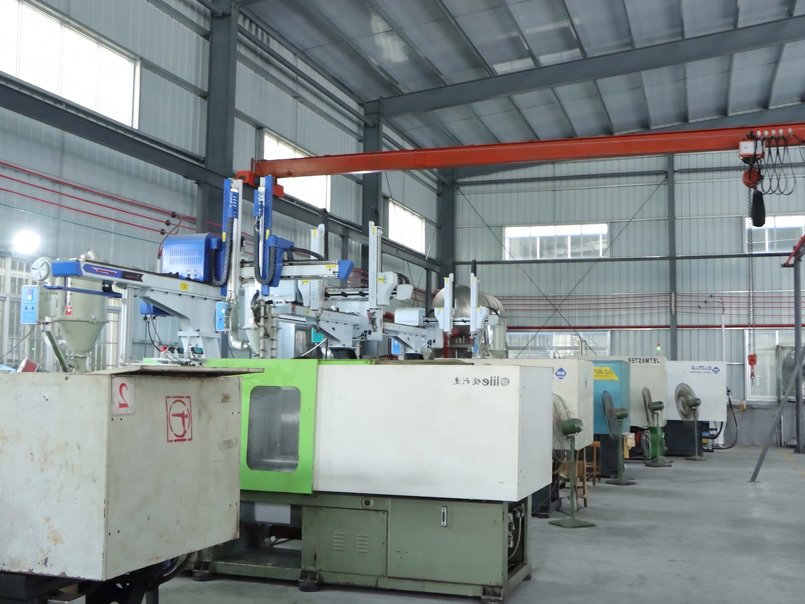
Production techniques can significantly influence product consistency and quality.
Silicone Hardness Control
Different applications require different silicone hardness levels. Precise material formulation and process control ensure consistent product performance.
Wooden Handle Finishing
Polishing, sanding, and surface finishing contribute to both appearance and user comfort. Higher-quality finishing processes require additional labor and production time.
Adhesive Application
Proper adhesive application is essential for secure assembly. Consistent bonding helps improve durability and long-term reliability.
Assembly Precision
Accurate assembly ensures proper alignment between the utensil head and handle, contributing to a professional appearance and better user experience.
Adhesive Curing Time
Allowing sufficient curing time helps ensure strong and stable bonding between components. Proper production scheduling is important for maintaining product quality.
5. Quality Control Standards
Quality control is often one of the biggest differences between low-cost and premium products.
Product Inspection
Comprehensive quality inspections help identify potential issues before shipment. Manufacturers with strict quality control systems typically deliver more consistent products and lower defect rates.
Choosing Value Beyond Price
While lower-priced products may appear attractive initially, long-term value depends on product quality, durability, food safety, and customer satisfaction.
At YJ SOAR, we focus on selecting premium materials, optimizing product structures, implementing strict manufacturing standards, and conducting thorough quality inspections to ensure every silicone kitchen utensil meets the expectations of global brands, importers, and retailers.
When evaluating suppliers, looking beyond the unit price can help you achieve better product performance, fewer quality issues, and stronger customer trust.