


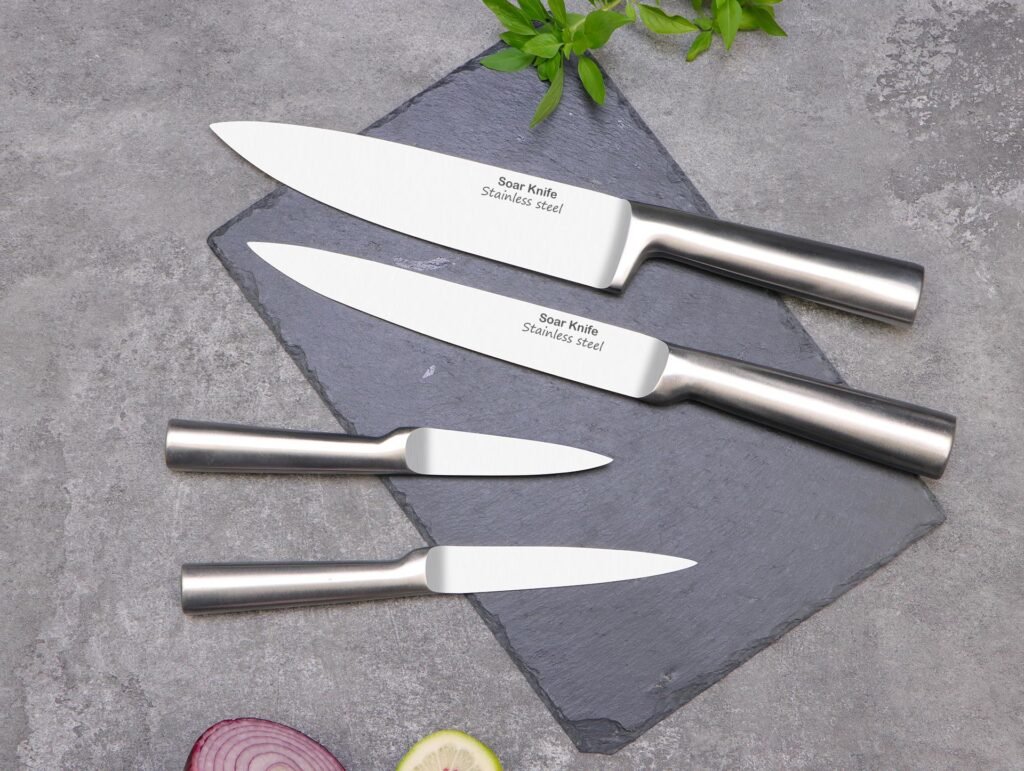
1. Screen Printing
Screen printing is a widely used technique for adding logos to products. The process involves using a silk screen as a stencil and photosensitive plate-making methods to produce graphics and text.
Advantages:
- High production rate
- Low cost
- Suitable for most plastics, metals, and silicone materials
Disadvantages:
- Limited to simple patterns or text
- Difficulties in color layering; typically, only one or two colors work well
- Results on curved surfaces may be unsatisfactory
- There is a template cost involved, which is not suitable for small orders
- Colors may fade when washed incorrectly and the shape edge is also a threat to the logo’s completeness
2. Heat Transfer Printing
This method uses a heat transfer machine to apply high temperature and pressure to a special printing film, which is then transferred to the product’s surface.
Advantages:
- High efficiency and fast speed; eliminates the drying process
- Capable of continuous multi-color printing
- Can print on products with irregular surfaces
- Supports fine patterns
- Compatible with a wide range of materials, including plastic, metal, ceramic, and leather
- not easy to lose color
Disadvantages:
- There is a template cost involved, which is not suitable for small orders
- Not suitable for the complicated, irregular shapes
- Colors may fade when washed incorrectly, and the shape edge is also a threat to the logo’s completeness
3. UV printing
UV printing uses special ink, which is then cured and solidified by exposure to ultraviolet light.
Advantages:
- Suitable for complex logos with multiple color gradations
- High quality and high resolution
- After curing, the surface is highly durable, scratch-resistant, waterproof, and colorfast
- No template is needed
Disadvantages:
- The costs of UV inks and curing equipment can be relatively high, raising production costs
4. Laser Engraving
Laser engraving is a precise surface treatment process that uses controlled laser technology. The laser interacts with the surface of the material to create engravings without blurring or fading.
Advantages:
- Fast processing speed and excellent visual results
- Produces permanent logos or texture patterns that won’t wear off
Disadvantages:
- Color cannot be changed; only the original color of the product material can be used
5. Stamping
Stamping is typically used to imprint logos on metal surfaces. This method involves placing a sheet of metal in a punch press, which then uses pressure and a die to shape the material.
Advantages:
- Can form shapes in one operation without the need for secondary processing
- Durable and resistant to wear
Disadvantages:
- Only suitable for metal sheets
6. Electric Corrosion
This technique generates sparks between a raceway wheel and rolling elements of a rotating bearing through a thin lubricating oil film, causing surface melting and irregularities.
Advantages:
- Clear logo appearance
- Low cost
Disadvantages:
- Only appropriate for active metal materials and alloys
7. Burning
Burning is a method that uses a heated metal mold to create marks on a surface, typically leaving a darker color on wood.
Advantages:
- Low cost
Disadvantages:
- Only suitable for wooden materials
- Inconsistent color results
- Can create concave shapes
8. Mold Integration
This method involves creating a custom mold with the logo embedded, integrating the logo during the manufacturing process.
Advantages:
- No additional costs for new products, only mold costs
- Can create concave or convex shapes
Disadvantages:
- Color cannot be added
- If using an existing mold, a new mold will be required, which can be costly
This outline provides a clear overview of the different methods for applying logos to products, helping you choose the one that best fits your needs. It is essential to select the most effective method for adding your logo. Below is the conclusion about how to choose.
| Material | Conclusion | Photos | |
|---|---|---|---|
| Screen printing | Plastic, metal, silicone, wood | Good fit for wooden material, which needs a darker black color logo. | |
| Heat transfer printing | Plastic, metal, silicone, wood | lower price than laser logo, but it is just suitable for active metal and alloy. | |
| UV printing | Plastic, metal, silicone, wood | Suitable for complex logos with multiple color gradations, but it has a higher cost | |
| Laser engraving | Plastic, metal, silicone, wood | 1. Low cost, but a little higher than screen printing 2. Comply with some irregular surfaces 3. Capable of continuous multi-color printing | |
| Stamping | metal | 1. Suitable for the metal products that have exciting molds. 2. The mold cost for the stamping logo is lower than the mold for products, so laser logo can’t meet the needs, stamping logo would be a sparing choice. | |
| Electric Corrosion | Active metal and alloy | 1. Suitable for the metal products that have exciting molds. 2. The mold cost for the stamping logo is lower than the mold for products, so laser logos can’t meet the needs, stamping logos would be a sparing choice. | |
| Burning | wooden | Has low cost, no template requested and hard to wipe off characteristics. But the colors are limited. So it will be suitable for a simple and no color requested logo. Small and large logo will not impact the unit cost. | |
| Mold integration | Plastic, metal, silicone | The final effect is the best. For new products, it would be a good option. |
Besides, there are other treatments to add a logo to the products, like water transfer printing, decals, etc. You can choose the best fit for your products and the market positioning of the products.